
Private Chef & Caterer Tipping Guide 2026
Excellence in dining deserves recognition. Our 2026 guide explains how much to tip a private chef and sets standards for caterer gratuity at luxury events.
Quick answer
Excellence in dining deserves recognition. Our 2026 guide explains how much to tip a private chef and sets standards for caterer gratuity at luxury events. Tipping a private chef or caterer in 2026 typically ranges from 15% to 20% of the total food cost for exceptional service. While some contracts include a built-in service charge, additional gratuity is the standard way to reward the culinary team for the intensive labor involved in menu planning, shopping, prep, and cleanup.
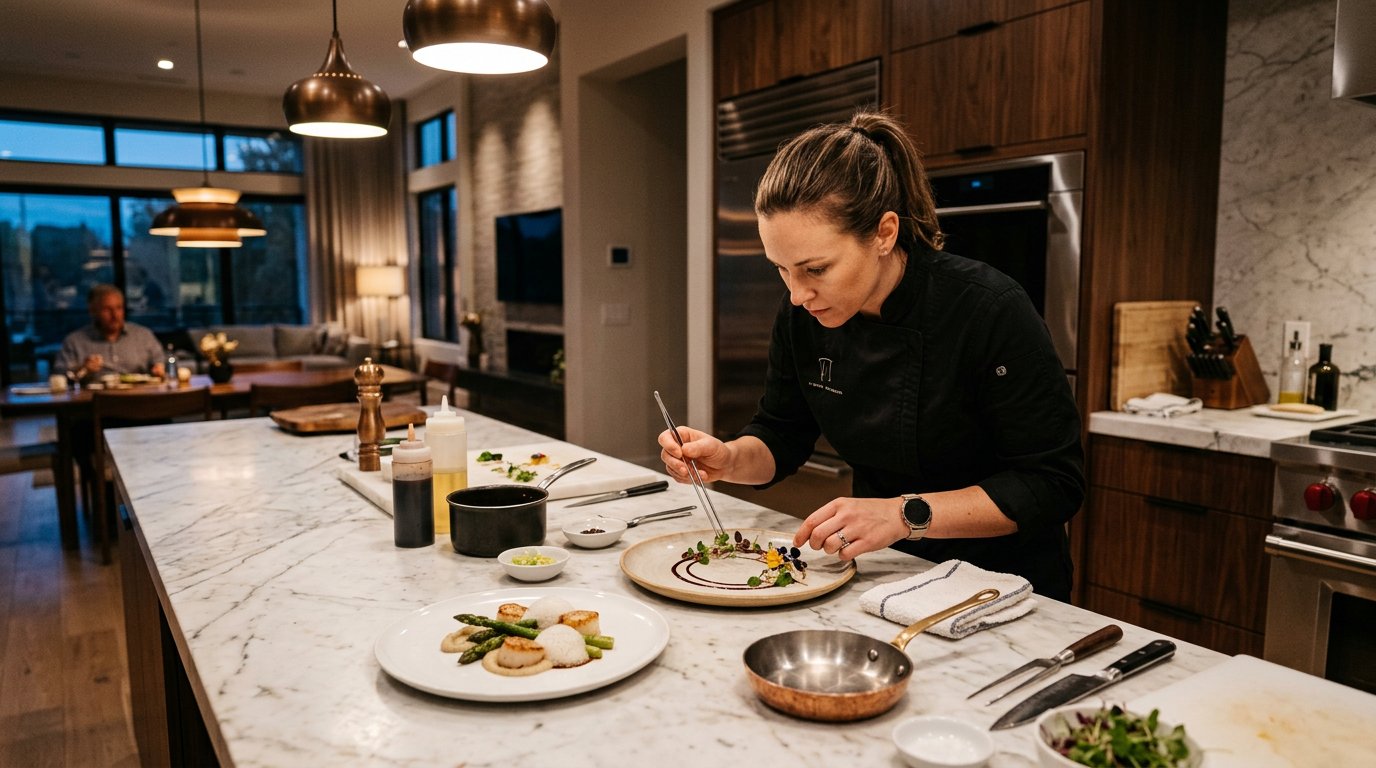
Tipping a private chef or caterer in 2026 typically ranges from 15% to 20% of the total food cost for exceptional service. While some contracts include a built-in service charge, additional gratuity is the standard way to reward the culinary team for the intensive labor involved in menu planning, shopping, prep, and cleanup.
The landscape of personal service is shifting. As diners move toward a cashless economy, the traditional "envelope of cash" for the chef or lead server is becoming a logistical burden. For many culinary professionals, the difference between a standard night and a high-earning event depends entirely on how easy they make it for the client to pay.
How Much to Tip a Private Chef and Catering Staff
Navigating a private chef tip or caterer gratuity requires understanding the difference between service fees and tips. A service fee is often a mandatory charge that covers administrative costs and base wages, whereas a tip goes directly to the staff for their performance.
* Private Chefs: For a one-off dinner party, 15% to 20% of the total bill is standard. If you employ a personal chef on a recurring weekly basis, a tip equivalent to one week’s pay at the end of the year or 10% per service is common.
* Catering Leads/Event Managers: $50 to $100 per event is a standard gesture for the person overseeing the entire operation.
* Waitstaff and Bartenders: $20 to $50 per person for an evening event is appropriate.
* Delivery and Setup Crews: For dropped-off catering, a tip of $10 to $20 per person for setup is appreciated.
If you are unsure whether the gratuity is included, always check the line items on your contract. If the "Service Charge" does not explicitly state "100% goes to staff," assume the workers are not receiving that full amount.
The Cashless Crisis in Private Dining
Private chefs and caterers are among the hardest hit by the decline of physical currency. Unlike a restaurant setting where a credit card machine is presented at the end of the meal, private events often involve a pre-payment via invoice or bank transfer. Once the meal is finished, the client may not have hundreds of dollars in cash on hand to distribute to the chef, sous chef, and servers.
This friction leads to under-tipping. When a client has to "Venmo you later" or find an ATM, the likelihood of the tip being forgotten increases by nearly 70%. For a server or waitress in a catering environment, this represents a significant loss in annual income. By 2026, the expectation is that digital payment options will be integrated into the physical service environment to bridge this gap.
5 Strategies to Increase Your Catering and Private Chef Tips
To maximize earnings in a modern culinary career, you must treat your tip collection with the same professionalism as your plating.
1. Set Up an EZTipr Page with a QR Code
The most effective way to capture tips in a cashless environment is to remove all friction. By creating an EZTipr page, you provide one central link where clients can choose their preferred payment method—be it Venmo, Cash App, PayPal, or Zelle. You can display a QR pin on your chef’s coat or place a discreet acrylic stand near the bar or buffet. This allows guests to tip the staff directly without the host having to manage a large pool of cash.
2. Itemize Gratuity in Your Contracts
Be transparent during the booking process. Your contract should clearly state whether a tip is included or if it is left to the client’s discretion. Providing a "Suggested Gratuity" section on the final invoice can prompt the client to think about the tip before the event even begins. This is similar to tipping etiquette found in other high-end service sectors.
3. Personalize the Experience
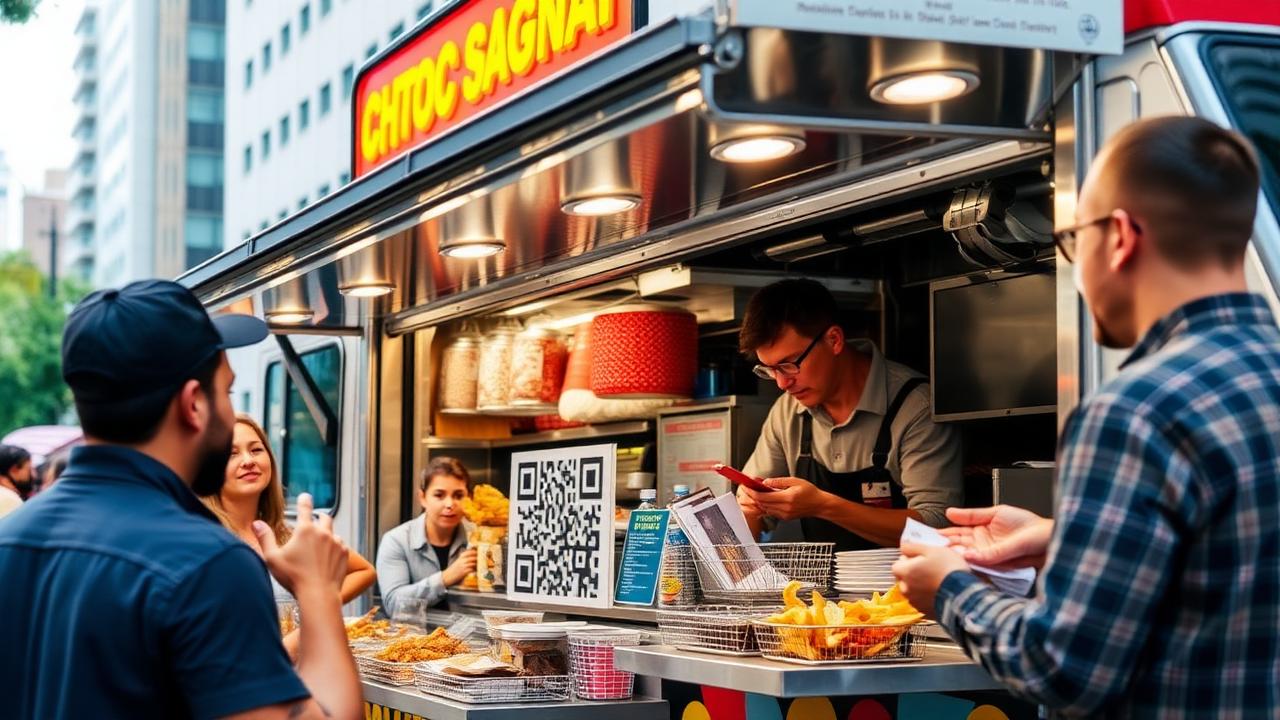
Private dining is an intimate service. Taking the time to explain the sourcing of the ingredients or the inspiration behind a dish creates a connection that often leads to higher tips. When clients feel they are receiving an education and an experience rather than just a meal, they are more likely to reward the effort. For those working in mobile environments, check our guide on food truck tips and QR codes for similar engagement strategies.
4. Direct Distribution to the Team
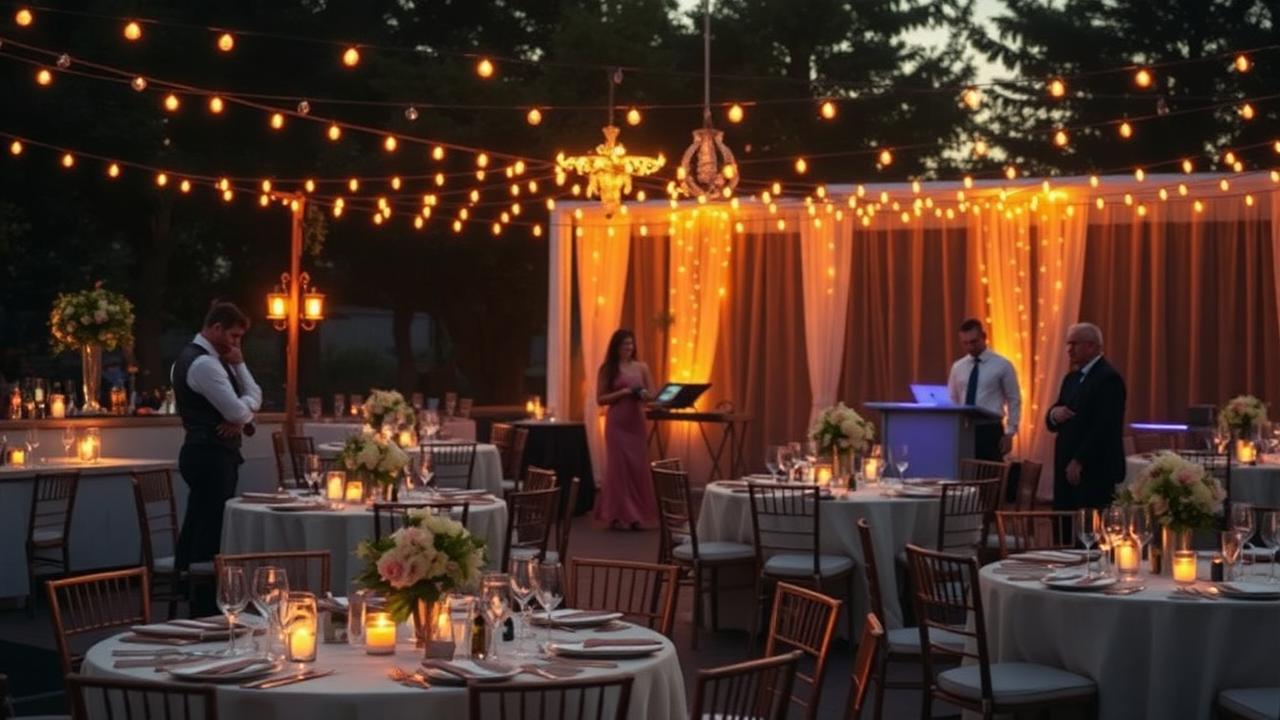
If you are the lead caterer or head chef, make it easy for the host to tip the entire team. Instead of asking the host to calculate five different tips, give them one QR code that links to a pooled EZTipr account or a clear list of the staff’s handles. In larger events like weddings, this is crucial. Refer to our wedding vendor tipping guide for specific breakdowns on high-volume events.
5. Follow Up Post-Event
If a tip wasn't handled on-site, a professional follow-up email 24 hours later—thanking the client and including a link to your digital tip page—can recover lost revenue. Frame it as "ensuring the team is recognized for their hard work."
What Doesn't Work: Tipping Mistakes to Avoid
In the premium world of private chefs and catering, certain behaviors can actually decrease your total earnings:
* Being overly aggressive: Never hover while a client is filling out an invoice or scanning a QR code.
* Relying on one app: If you only accept Venmo, you lose the client who only uses Zelle or Apple Pay. This is why a multi-platform EZTipr page is essential.
* Vague "Service Fees": If your invoice has a 20% service fee that you keep for "administrative costs" but the staff gets none of it, your staff will eventually leave, and your clients will feel misled.
Real Numbers: The Impact of Digital Tipping in 2026
The data is clear: accessibility increases frequency. Culinary professionals using QR-based digital tip pages report a 35% increase in total gratuities compared to those relying on cash or single-app mentions. In an average $2,000 private dinner, a 20% tip is $400. Losing that due to a lack of cash on hand is a significant blow to the chef's margins. By offering a personal chef QR code, you ensure that $400 ends up in your bank account, not as a "we'll catch you next time" promise.
Get Started
Don't leave your hard-earned income to the chance of a client having cash in their pocket. Streamline your professional image and make it easy for your clients to reward your culinary talent.
Frequently asked questions
How much does EZTipr cost?
The free plan is $0 and includes a tip page, a QR code and 1 payment method. Pro is $0.99 per month or $9.99 per year, which is 2 months free, and adds unlimited payment methods, themes, full analytics and removes EZTipr branding. Every new individual signup starts with a 7-day free Pro trial and no credit card is required.
Does EZTipr take a cut of tips?
No. Tips go directly from the guest to the worker inside the guest's own payment app. EZTipr never touches the money and charges 0% on tips.
Which payment apps can a tip page use?
Cash App, Venmo, PayPal, Zelle and Apple Pay, plus any custom payment link. Zelle and Apple Pay are copy-only so the handle stays private.
Related Articles

Ready to Earn More Tips?
Create your free tip page in under 60 seconds. No credit card required.
Get Started Free →