
Church Musician & Worship Band Tipping Guide 2026
Wondering about church musician tip etiquette? Learn how to tip church musicians and worship bands for services and weddings with our 2026 gratuity guide.
Quick answer
Wondering about church musician tip etiquette? Learn how to tip church musicians and worship bands for services and weddings with our 2026 gratuity guide. Tipping a church musician or worship band is a standard way to show appreciation for the specialized talent and preparation required to enhance a religious service or life event. While regular Sunday services rarely involve direct tips, private ceremonies such as weddings and funerals carry a professional gratuity expectation ranging from $50 to $150 per musician.
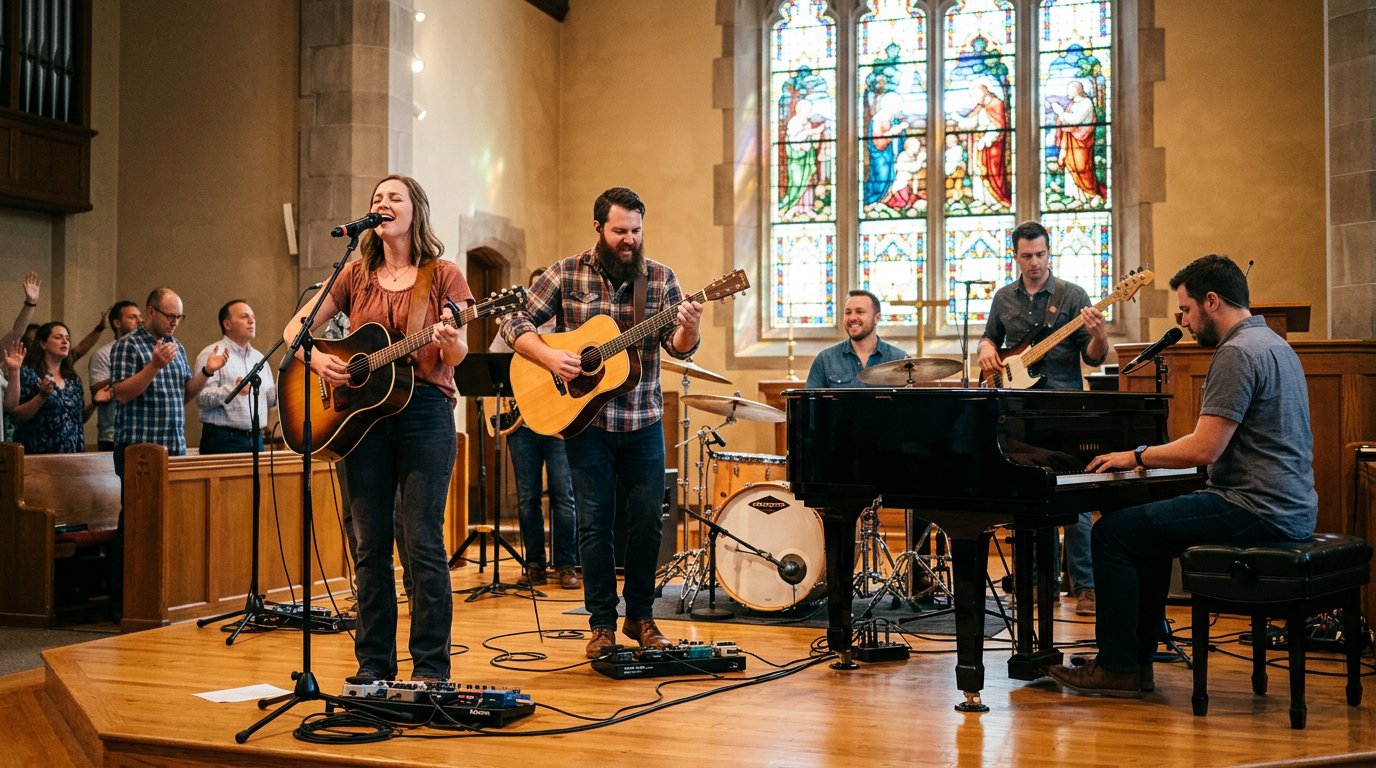
Tipping a church musician or worship band is a standard way to show appreciation for the specialized talent and preparation required to enhance a religious service or life event. While regular Sunday services rarely involve direct tips, private ceremonies such as weddings and funerals carry a professional gratuity expectation ranging from $50 to $150 per musician.
The Shifting Landscape of Sacred Music Gratuity
Church musicians are often the backbone of a congregation’s atmosphere, yet they frequently operate as underpaid freelancers or volunteers with modest stipends. As society moves toward a cashless economy, the traditional "envelope on the piano" is disappearing. This shift has led to a significant decrease in total compensation for sanctuary musicians who rely on these supplemental funds to cover instrument maintenance, sheet music, and travel.
Unlike secular gig workers, worship leaders and instrumentalists often feel a social barrier when discussing money in a sacred space. This results in them being one of the most under-tipped categories in the service industry, despite providing a highly technical and emotionally resonant service. Understanding tipping etiquette 2026 guide standards is essential for both the musician and the client to ensure fair compensation.
How Much to Tip a Church Musician: 2026 Standards
The amount you should provide as a worship band gratuity depends on the complexity of the event and the number of musicians involved. Use these concrete dollar ranges to plan your budget:
* Soloist (Organist, Pianist, or Singer): $50 – $150. If the musician is required to attend a mid-week rehearsal or learn specific, non-liturgical songs, aim for the higher end of this range.
* Worship Band (Per Member): $50 – $75 per person. For a full 4-5 piece band, a collective tip of $250 - $400 is appropriate for a wedding or special event.
* Music Director/Coordinator: $100 – $200. This individual often handles the logistics, sound engineering, and scheduling, requiring additional compensation for administrative labor.
* Funeral Services: $50 – $100. This is typically handled by the funeral director but should be verified to ensure the musician is compensated directly.
5 Strategies to Increase Your Church Musician Tips
If you are a church musician looking to modernize your workflow and capture digital gratuities without breaking the solemnity of the sanctuary, implement these five strategies.
1. Set Up an EZTipr Page with QR Code
The most effective way to bridge the gap in a cashless environment is to create a digital sanctuary musician QR profile. By setting up an EZTipr page, you allow congregants and wedding guests to tip via Venmo, Cash App, PayPal, Zelle, or Apple Pay in seconds. You can print a subtle QR code on the back of the wedding program or place a small QR pin on your lapel or music stand. This removes the friction of the "missing envelope" and allows for immediate, private transactions.
2. Itemize Your Service Packages
Transparency leads to better tipping. Rather than a flat fee, provide a clear breakdown of what your service includes: rehearsal time, equipment setup, and the performance itself. When clients see the labor involved, they are more likely to add a church musician tip as a gesture of goodwill. This is similar to the transparency used in the wedding vendor tipping complete guide.
3. Professionalism and Preparation
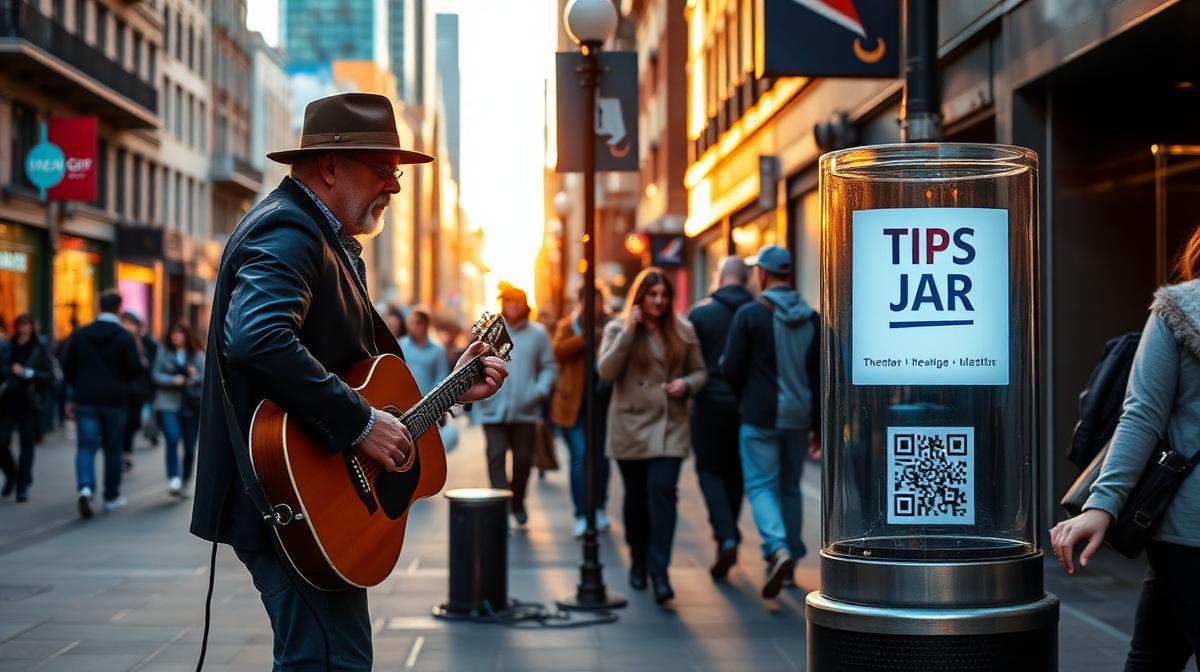
A church musician who arrives early, coordinates seamlessly with the clergy, and manages their own sound levels creates a stress-free environment for the client. Excellence in performance is the strongest driver of gratuity. For those also playing outside of church walls, these same professional standards apply, as noted in our guide for musician busker digital tip jar strategies.
4. Leverage Digital Programs
Many modern churches have moved toward digital programs accessible via mobile devices. Ask the church administrator to include a link to your EZTipr page or your digital tip jar at the bottom of the "Music for Today" section. This is a non-intrusive way to remind the audience that the musicians are professionals who appreciate support.
5. Follow Up After the Event
For weddings and large events, sending a brief "thank you" email or digital note after the ceremony is a professional touch. Including a link to your digital tip profile in your email signature allows clients who may have forgotten to tip in the chaos of the event to correct the oversight.
What Doesn't Work: Tipping Mistakes to Avoid
In a religious or formal setting, certain behaviors can backfire and reduce your chances of receiving a worship band gratuity:
* Overtly Soliciting Tips: Never "pass the hat" or place a physical tip jar on the altar. It is perceived as disrespectful. Stick to subtle QR codes or program mentions.
* Assuming the Church Covers It: Do not assume the couple or the family knows the church isn't paying you a full professional rate. Many laypeople believe musicians are on a high salary, which is rarely the case.
* Aggressive Follow-ups: While a polite thank-you is fine, badgering a grieving family or a busy wedding couple for a tip is unprofessional and will damage your reputation.
Real Numbers: The Impact of Digital Tipping
Transitioning from cash-only to a digital-first approach significantly impacts annual earnings. Musicians who utilize a sanctuary musician QR code for events report a 35% to 50% increase in total gratuities over a 12-month period.
Because the average digital tip is often higher than the loose change or small bills found in a physical jar—often averaging $15 to $25 per transaction—the cumulative effect of an EZTipr page can add thousands of dollars in annual revenue for a busy church musician. This mirrors the success seen in other event-based niches, such as dj tips events clubs, where digital access is now the industry standard.
Get Started
Modernize your music ministry and ensure you are fairly compensated for your talent and time. Whether you perform at weekly services, weddings, or special events, having a professional digital presence is essential for 2026.
Frequently asked questions
How much does EZTipr cost?
The free plan is $0 and includes a tip page, a QR code and 1 payment method. Pro is $0.99 per month or $9.99 per year, which is 2 months free, and adds unlimited payment methods, themes, full analytics and removes EZTipr branding. Every new individual signup starts with a 7-day free Pro trial and no credit card is required.
Does EZTipr take a cut of tips?
No. Tips go directly from the guest to the worker inside the guest's own payment app. EZTipr never touches the money and charges 0% on tips.
Which payment apps can a tip page use?
Cash App, Venmo, PayPal, Zelle and Apple Pay, plus any custom payment link. Zelle and Apple Pay are copy-only so the handle stays private.
Related Articles

Ready to Earn More Tips?
Create your free tip page in under 60 seconds. No credit card required.
Get Started Free →