
Snowboard Instructor Tipping Guide 2026: Mountain Lesson Gratuity
Wondering how much to tip a snowboard instructor? Learn 2026 tipping etiquette, industry standards, and ways to show gratitude after your mountain lesson.
Quick answer
Wondering how much to tip a snowboard instructor? Learn 2026 tipping etiquette, industry standards, and ways to show gratitude after your mountain lesson. Tipping a snowboard instructor is customary, and $20 to $100 per person is the industry standard depending on the lesson type and duration. Whether you are taking a group clinic or a full-day private session, providing a snowboard instructor tip ensures the professional who kept you safe and improved your technique is fairly compensated for their specialized skills.
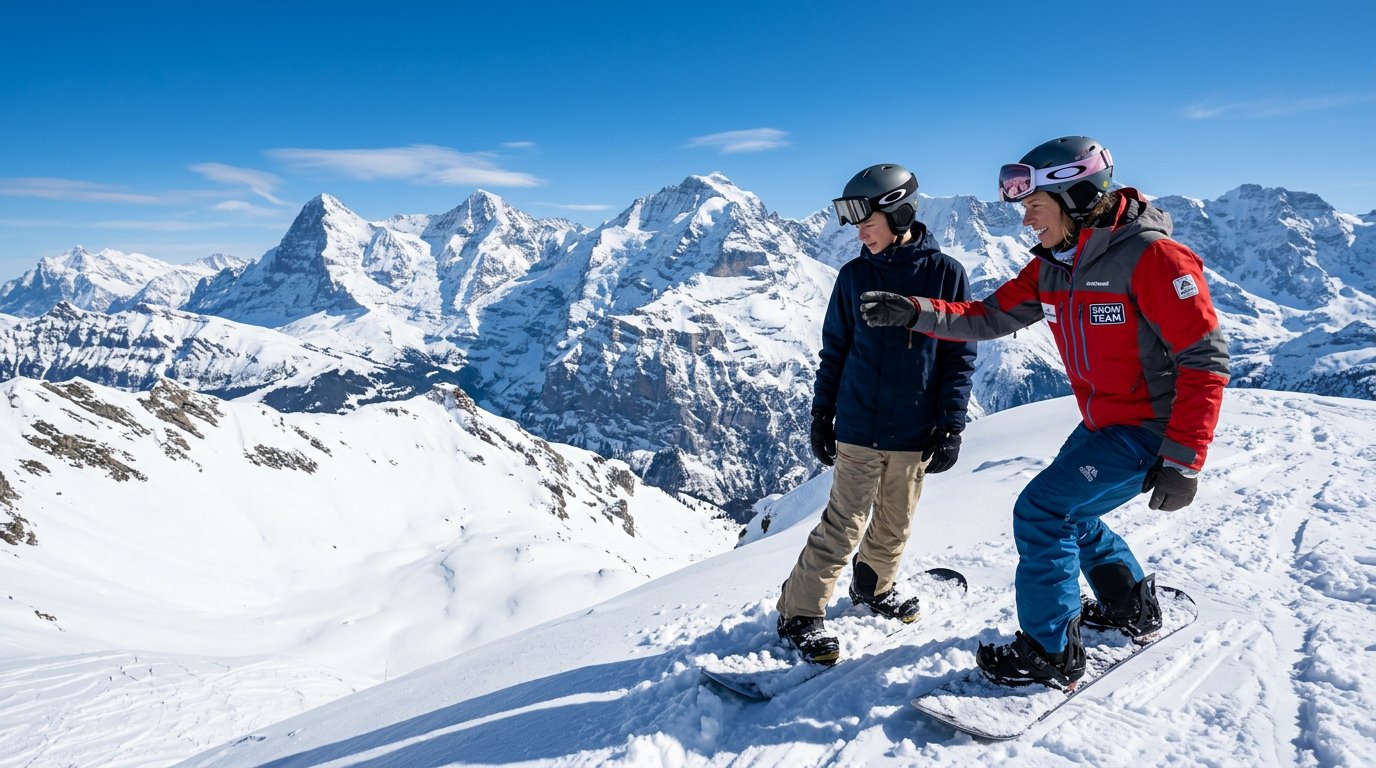
Tipping a snowboard instructor is customary, and $20 to $100 per person is the industry standard depending on the lesson type and duration. Whether you are taking a group clinic or a full-day private session, providing a snowboard instructor tip ensures the professional who kept you safe and improved your technique is fairly compensated for their specialized skills.
How Much to Tip a Snowboard Instructor (2026 Standards)
The amount you give for a snowboard lesson gratuity depends heavily on the length of the session and the level of personalized attention provided. While ski schools often charge premium prices, very little of that hourly rate trickles down to the instructor's base pay.
Use the following ranges as a baseline for your next trip to the mountain:
* Group Lessons (Half-Day): $20 - $30 per person. If the group is small or the instructor provided extra individual feedback, leaning toward the higher end is appropriate.
* Group Lessons (Full-Day): $40 - $60 per person.
* Private Lessons (Half-Day): $50 - $100. Private lessons are premium services where the instructor caters specifically to your learning style and goals.
* Private Lessons (Full-Day): $100 - $200+ (or 15% to 25% of the total lesson cost). For high-end resort experiences, tipping based on a percentage of the instruction fee is the standard.
* Children’s Lessons: $20 - $50. Instructors teaching children often act as caregivers, gear technicians, and motivators simultaneously, justifying a solid tip.
Why Mountain Instructors Are Under-Tipped in a Cashless Economy
The shift toward mountain resorts becoming entirely cashless has created a significant "tip gap" for staff. Most resorts now require guests to pay for lift tickets, rentals, and lessons via credit card or mobile apps long before they ever meet their instructor. When the lesson ends on the snow, guests often realize they didn't bring physical cash to the back bowls or the halfpipe.
Furthermore, many resorts do not include a tip line on the initial digital checkout for lessons. This leaves instructors relying on the guest's initiative to carry small denominations in a freezing environment. Similar to the challenges faced in the ski lift operator tipping guide 2026, the logistics of carrying paper money while wearing gloves and technical outerwear makes the traditional tipping process friction-heavy and prone to being forgotten.
5 Strategies to Increase Your Snowboard Instructor Tip Earnings
If you are an instructor, you shouldn't have to hope your clients remembered to stop at an ATM on their way to the lodge. Use these professional strategies to modernize your gratuity process.
1. Set Up an EZTipr Page with a QR Code
The most effective way to capture tips in 2026 is by removing the "I don't have cash" excuse. By creating an EZTipr page, you provide a single destination where clients can pay you via Venmo, Cash App, PayPal, or Apple Pay. Display your unique QR code on a QR pin attached to your jacket or the back of your helmet. This allows clients to scan and pay while you are still on the snow or riding the chairlift together at the end of the day.
2. Focus on "The First 15 and Last 15"
The first 15 minutes of a lesson should be spent building rapport and establishing clear, achievable goals. The last 15 minutes should be a recap of progress and a "trail map" for their future riding. When a client sees the tangible value you added to their skill set, the mountain instructor tip becomes a natural extension of the value exchange.
3. Provide Value Beyond the Board
Instructors who act as local experts generally see higher gratuities. Offer recommendations for the best post-shred dining, secret powder stashes, or gear maintenance. This positions you as a professional tour guide for the entire mountain experience, not just a technical coach.
4. Use Video Analysis
If the resort allows, take short videos of your clients’ turns on your phone. Reviewing the footage with them at the end of the lesson provides "proof of work" regarding their improvement. Offering to AirDrop or text these clips provides a professional touchpoint that often triggers a digital tip.
5. Standardize the Mention
Many guests—especially those new to snow sports—simply do not know that tipping is expected in North American ski schools. Mentioning something like, "If you enjoyed our session, I have a digital tip page on my gear," in a matter-of-fact, confident tone is often enough to remind them of the industry standard.
What Doesn't Work: Tipping Mistakes to Avoid
In the mountain industry, certain behaviors can actually decrease your chances of receiving a generous snowboard lesson gratuity:
* The "Hard Sell": Never demand a tip or make the guest feel uncomfortable. Tipping should always be presented as an option for excellent service.
* Assuming Cash is King: If you only accept cash, you are likely losing 30-50% of your potential earnings. Modern guests rarely carry more than a single credit card in their phone case or pocket.
* Neglecting the "Off-Board" Service: Failing to help a beginner with their bindings or ignoring a student who is struggling to get back up reduces the perceived value of your expertise.
Real Numbers: The Impact of Digital Tipping
Instructors who transition from a "cash-only" mindset to a digital-first approach typically see a 25% to 40% increase in monthly tip volume. In a seasonal industry where base pay can be modest, this often makes the difference between a sustainable career and leaving the industry.
For example, an instructor who teaches four group lessons a week might receive cash tips from 2 out of 5 students. By displaying an EZTipr QR code, that same instructor often sees tips from 4 out of 5 students, as the friction of finding an ATM or breaking a $100 bill is removed. Similar results are seen in other seasonal niches, as outlined in our surf instructor tipping guide 2026.
Get Started with EZTipr
Don't let another powder day go by without a professional way to accept gratuities. Whether you're working the bunny hill or guiding steep chutes, make it easy for your clients to thank you for your expertise.
Frequently asked questions
How much does EZTipr cost?
The free plan is $0 and includes a tip page, a QR code and 1 payment method. Pro is $0.99 per month or $9.99 per year, which is 2 months free, and adds unlimited payment methods, themes, full analytics and removes EZTipr branding. Every new individual signup starts with a 7-day free Pro trial and no credit card is required.
Does EZTipr take a cut of tips?
No. Tips go directly from the guest to the worker inside the guest's own payment app. EZTipr never touches the money and charges 0% on tips.
Which payment apps can a tip page use?
Cash App, Venmo, PayPal, Zelle and Apple Pay, plus any custom payment link. Zelle and Apple Pay are copy-only so the handle stays private.
Related Articles
Ready to Earn More Tips?
Create your free tip page in under 60 seconds. No credit card required.
Get Started Free →